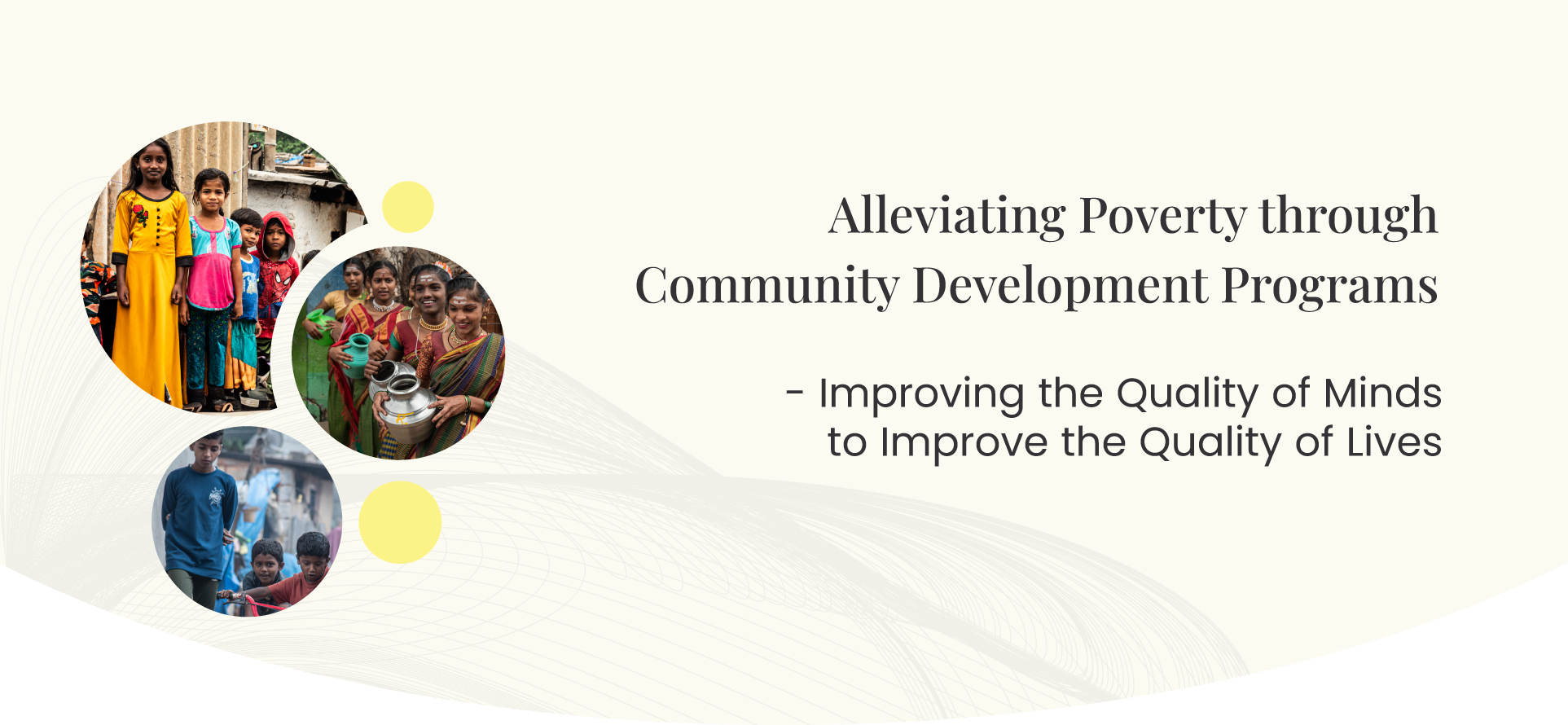

Community Learning centre
Education in slums presents several challenges in India, and addressing these issues is crucial for the overall development of our society. Lack of proper educational Infrastructure and safe and conducive learning environment, lack of skilled teachers, financial constraints of families living in slums, low community awareness and involvement, high dropout rates, slow education progress due to late admission or overage are some of the challenges.
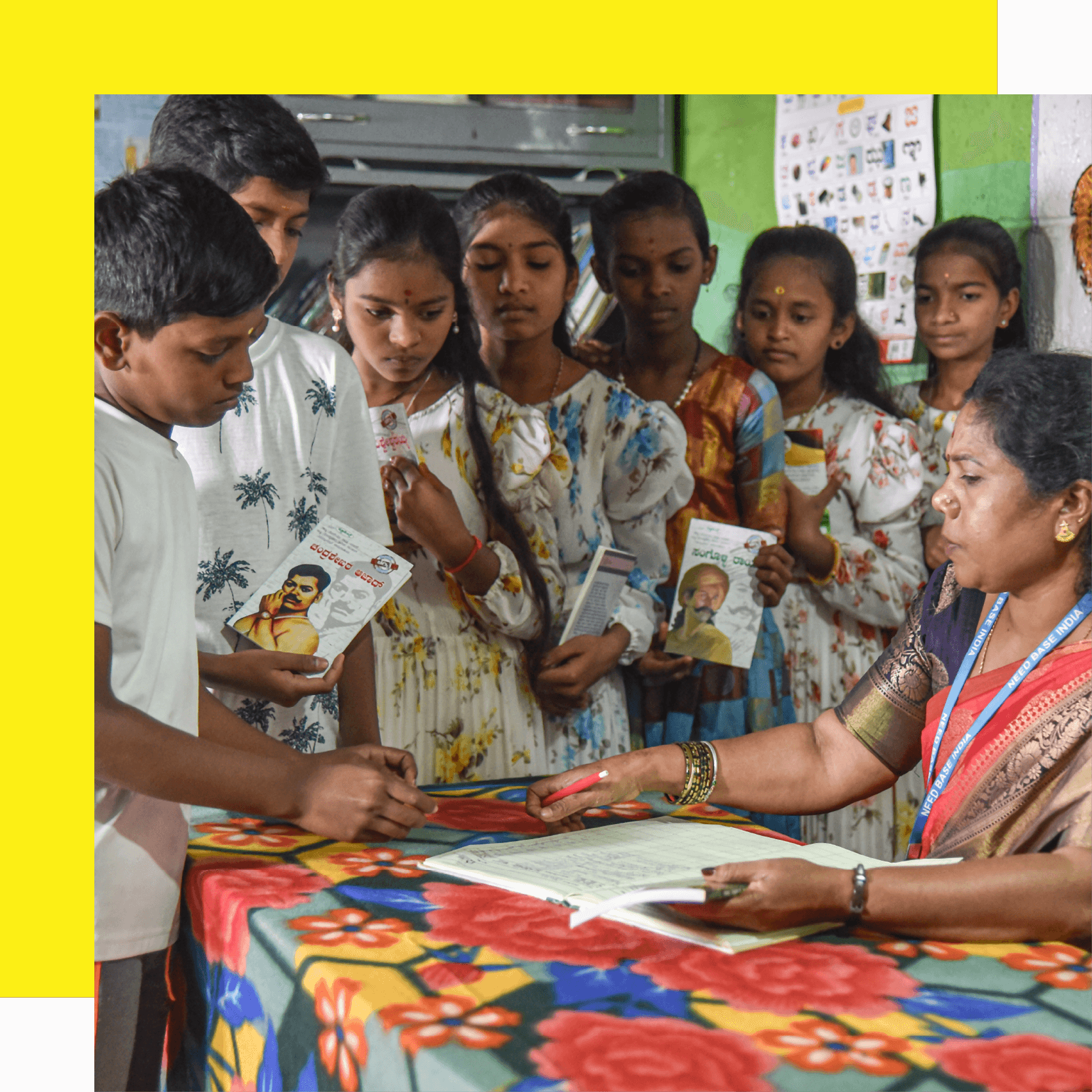
Government initiatives notwithstanding, NGOs have played a vital role in providing support to slum children. NBI in a small way supports three Community learning centers, two in Bengaluru and one at Munirabad. Around 250 children are supported through this program. The effort is to mitigate some of the challenges faced by the children living in slums.
The following support is being provided:
- Regular health and hygiene camps, providing nutritious food for the children.
Every child in the Community Learning center are admitted in the nearby government school and are provided after school support systems for education.
Identify the children out of school, assess, council and facilitate admission into Government schools. Help them to get through the schools through tuitions, and continued academic support.
Community Child Protection committees to be formed at Community Level and orient them to act as watchdogs to look into the child protection issues in the community.
Engaging parents by orienting them to various Government schemes and entitlements.
Support the parents in accessing identity documents & schemes such as Aadhar, bank account, voter ID, pensions, and ration card, etc.
These Collective effort for the safety and protection of the child in the slums, through the support of parents and the involvement of the community has shown encouraging results. Improvement in health, improved academic performance, low dropout, better awareness amongst parents about the importance of education has been achieved.
Family Based Care Program
Family-Based Care programs may be described as having a strong ‘prevention’ component, as they aim to strengthen community coping capacities in order to prevent children and adolescents from becoming dependent on institutions. Nuclear or extended families often take sole responsibility for many children, using their own resources to provide accommodation, food, clothing, education, and nurture. Neighbours and local organizations also make tangible contributions by supporting struggling families with advice and other forms of assistance
The following support is being provided:
NBI extends a Family Based Care program of Rainbow Home Jalahalli Village. A few beneficiaries/girls who have been in child care homes for 3 and above years and have been repatriated to their families due to improvements in the living conditions. However, the families still need support for the wellbeing of the child. These girls are referred to as Family Based Care beneficiaries.
The focus is on ensuring that children continue to live safe, meaningful, and productive lives within families. Family Based Care Program supports in the area of Child’s Education, Health, Entitlements, Emotional wellbeing, Family empowerment, Social & Economic development of the family. To facilitate this, Social workers and staff regularly conduct activities which include the following:
Impact
This program was initiated in 2022. From April 2022 to March 2024 we have improved the lives of 32 children by providing all the services mentioned above. All of them are self-sustained with improved living conditions.
In this current year, 30 girls are being supported through this program and all of them will continue to receive help from NBI.
Health Camps in Government Schools
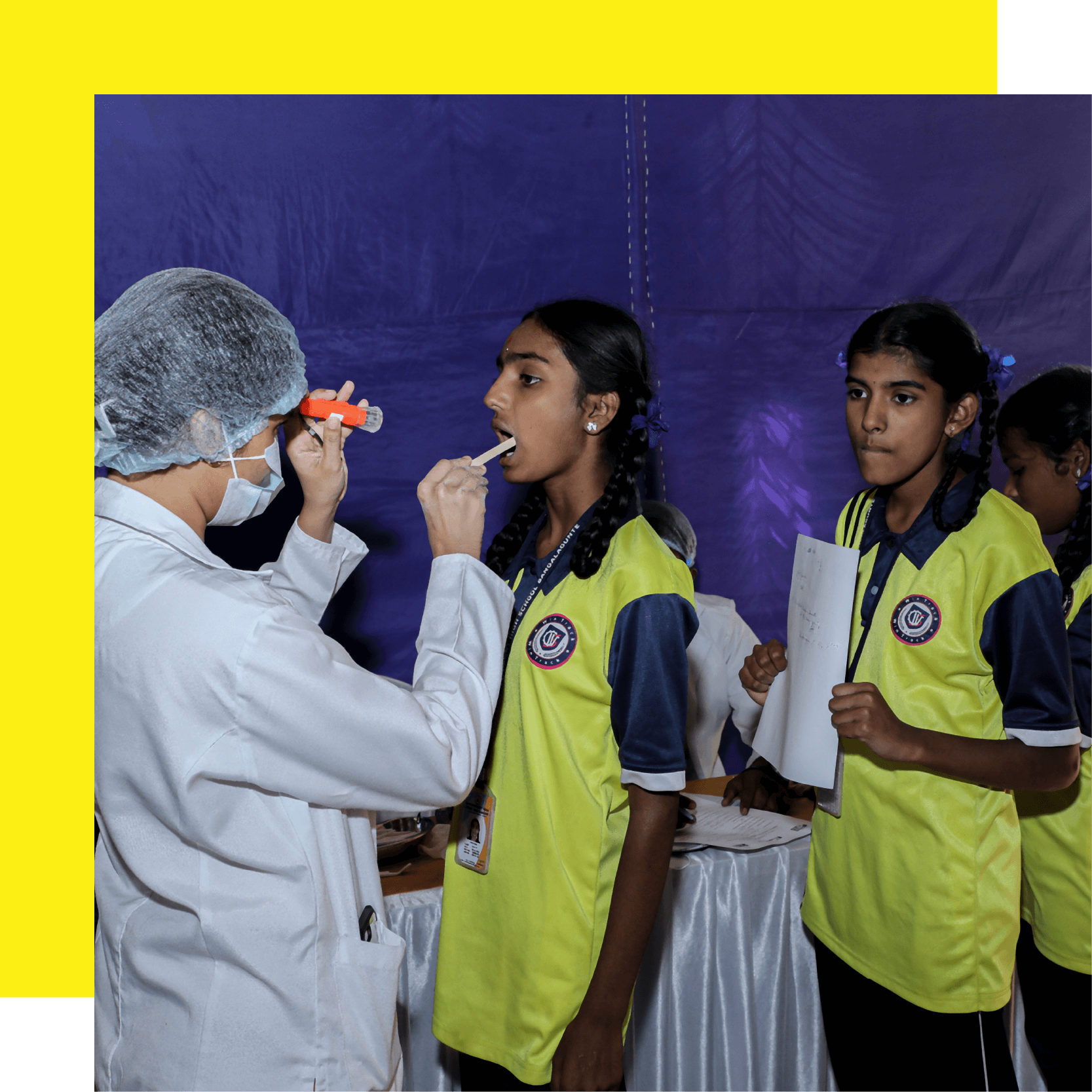
It’s a known fact that linking Health and education ensures that children thrive both academically and physically. School health programs play a crucial role in ensuring the well-being of students. Government schools serve as a valuable platform. Despite efforts by the Government agencies, resource constraints have been a major challenge.
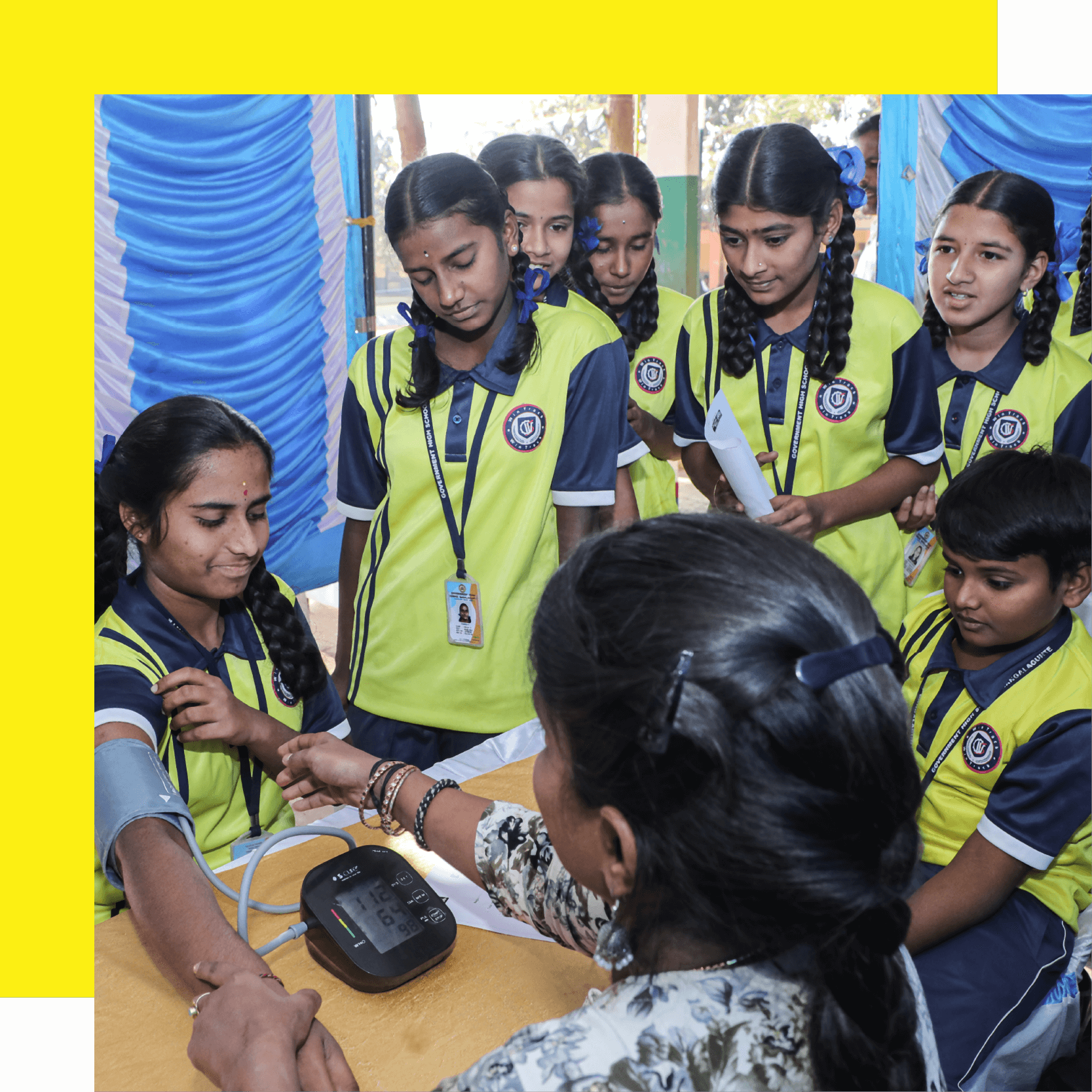
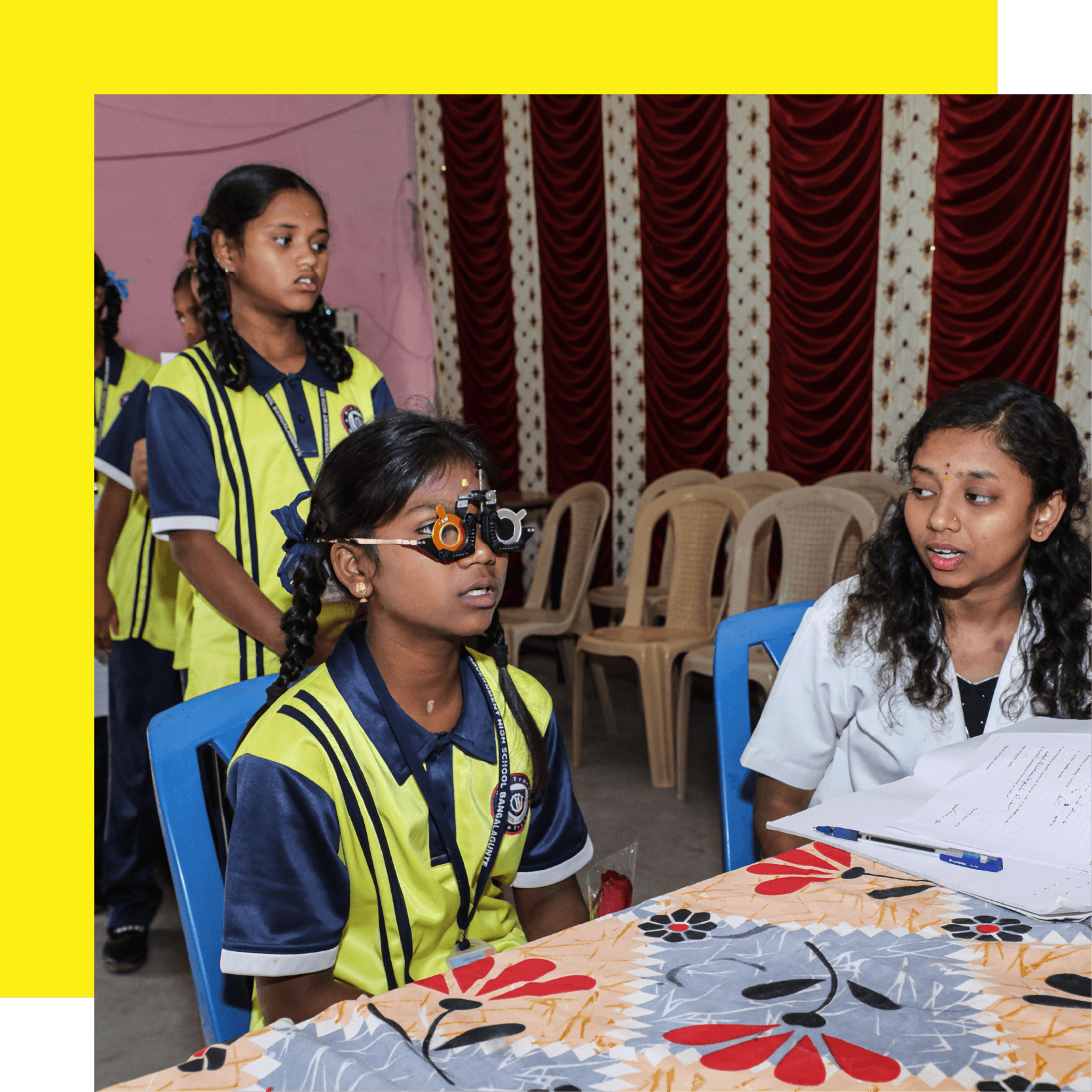
In order to mitigate this challenge, NBI has undertaken to conduct Health camps in Government schools across selected schools in Bengaluru. The program reaches out to eight government schools, which includes GHPS Bagalgunte, GHS Bagalgunte, GHPS Manjunath Nagara, GMPS Nagasandra, GHPS Chikkasandra, SBRHS Thotgere, GMPS Hesaragatta, and GHPS Mallasandra with a total enrolment of 3623 children.
The program facilitates the following:
- The implementation of health check-ups through Screenings and examinations by Health practitioners.
Early detection of health problems facilitates early remediation of health concerns among students. Screenings for vision, hearing, dental issues, and general health conditions can help identify conditions at an early stage.
Facilitate timely intervention and free treatment through M. S. Ramaiah Hospital, Saptagiri hospital, and KLE Hospital.
Promote Increased awareness among students about their health through Workshops, seminars, and interactive sessions on personal health and hygiene, nutrition, and mental health, for a healthy and balanced life.
Healthy students have shown better concentration, attentiveness, and improvement in overall academic achievements. Students are less likely to miss school due to illness, resulting in better attendance rates and continuity in their education.
NBI’s focus on the health of the eight government school students across Bengaluru helps create a nurturing environment that supports the students for a holistic development, enabling optimal learning outcomes, and setting them on a path toward a healthier and brighter future.
Elevation of Menstrual Hygiene Management among Adolescent Girls and Women in Rural Place of Chitradurga
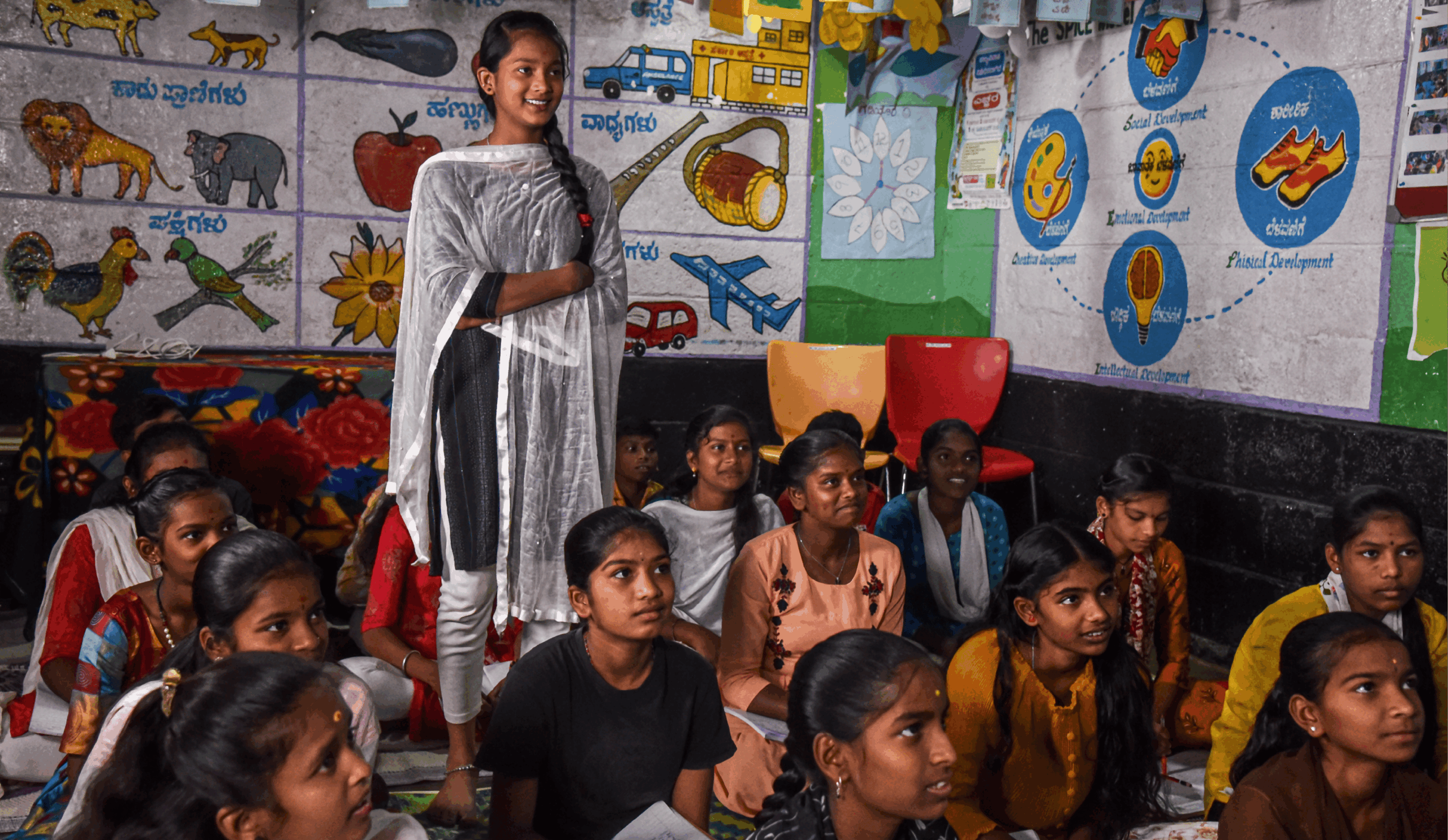
While significant progress has been made in elevating menstrual hygiene, there is still work to be done to ensure that every woman in India has access to safe and hygienic menstrual products.
Some of the challenges include lack of awareness amongst adolescent girls until they experience it themselves, difficulty in accessing Sanitary products, unhygienic practices, affordability and lack of knowledge of UTI and related ailments and the safe disposal of menstrual waste.
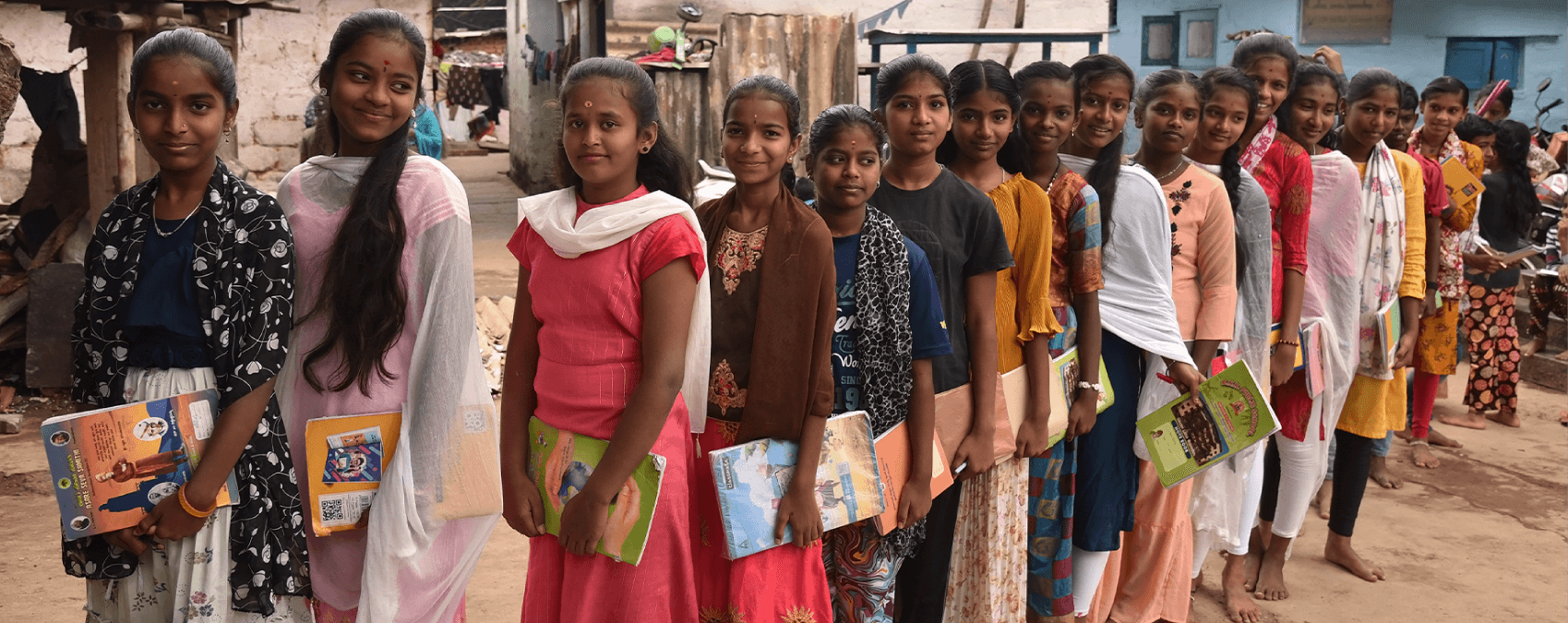
In an effort to support this cause of progress and challenge, NBI in collaboration with United way India and Kennametal India Limited initiated Menstrual Hygiene Management among Adolescent girls and women in the Rural region of Chitradurga in 2023.
The objective of this project included creating awareness among girls and women about healthy hygienic sanitation practices, dispense the taboos, myths and misconception about menstruation, and to build a supportive and comforting environment at home and school during their menstrual cycle. NBI’s efforts are aimed at helping the community to effectively manage and sustain menstrual hygiene and sanitation practices and facilitate safe disposal of menstrual waste.
Impact
Since its inception in 2023, 1200 girls from 9 schools and 900 women from 7 villages have benefited from:
NBI continues its sustained efforts to ensure adolescent girls’ and women’s right to safe and dignified menstrual hygiene and their well-being!
Strengthening Communities Through Education And Care.
Contact Us
#4, 1st Cross, 8th main, SBM Colony, Brindavan Nagar, Mathikere, Bengaluru, Karnataka 560054
9900806840/ 9900979155
Follow Us
Who We Are
About Us
Our Partners
Board Members